Who Lives in the Quiet Parts
The most valuable tree in a woodland is often the one nobody would buy.
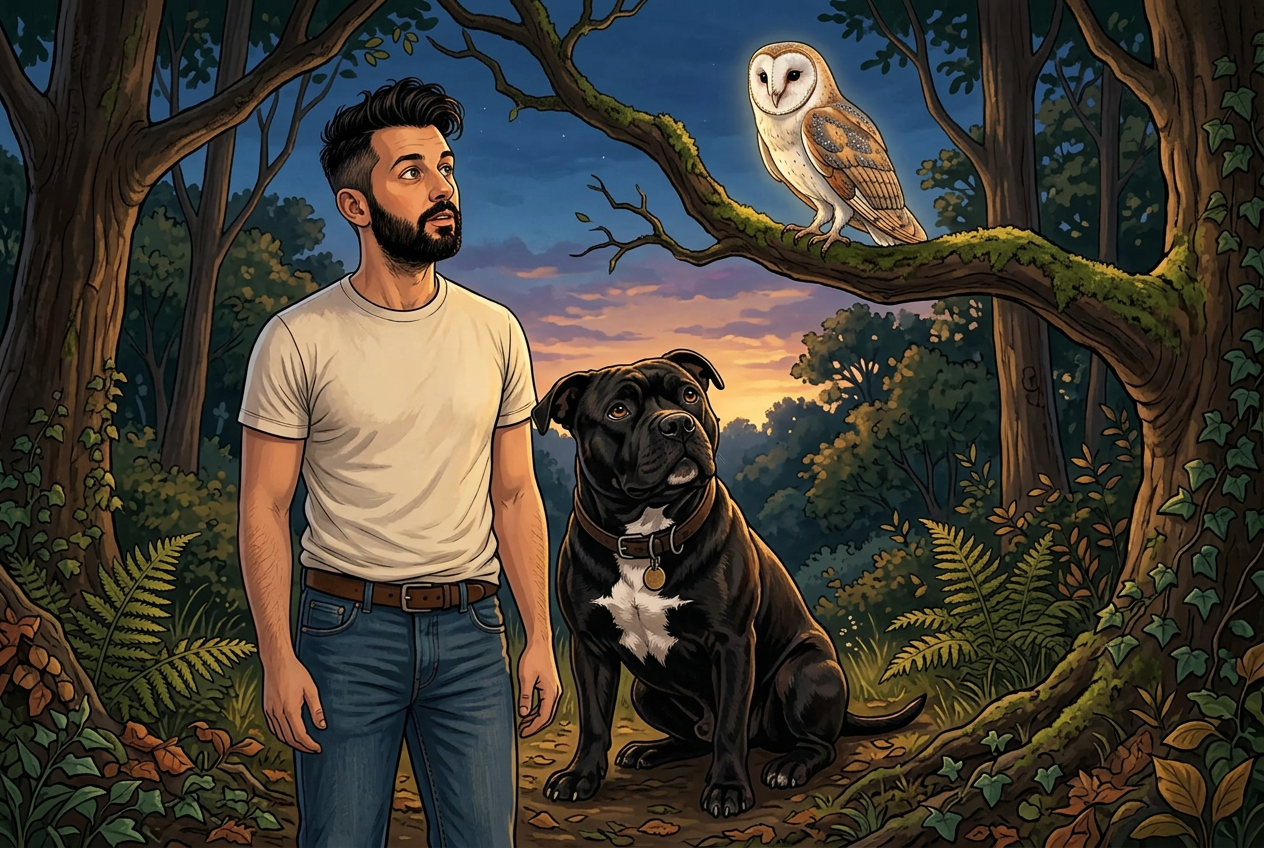
Standing deadwood
A dead or dying tree is a poor crop and an excellent home. Woodpeckers, bats, owls, hundreds of beetles and the fungi that feed on all of it depend on wood that is on its way out.
Where it is safe to do so, foresters now leave standing deadwood deliberately, and mark habitat trees so they are never taken.
Leave the awkward corners. They are doing more work than the tidy ones.
Edges and open ground
The richest part of most woodlands is the edge: the ragged margin where the trees give way to scrub, bramble and open ground. Rides and glades cut through a plantation do the same job, letting light and flowers and insects in.
A forest with nothing but trees in it is a poorer place than a forest with a few well-kept holes.
Working around the residents
Timing matters more than almost anything. Work is planned around bird nesting, bat roosts and the sensitive edges of streams. A month's delay costs very little and can save a season of young.
Good stewardship is largely a matter of noticing who else lives here, and then adjusting.
The wood was never only ours to arrange.