Every Forest Has a Purpose
Forests for the Future, Episode 3. Commercial forests, native woodlands, mixed forests, urban trees, estate woodlands. Healthy landscapes need all of them.
Different jobs
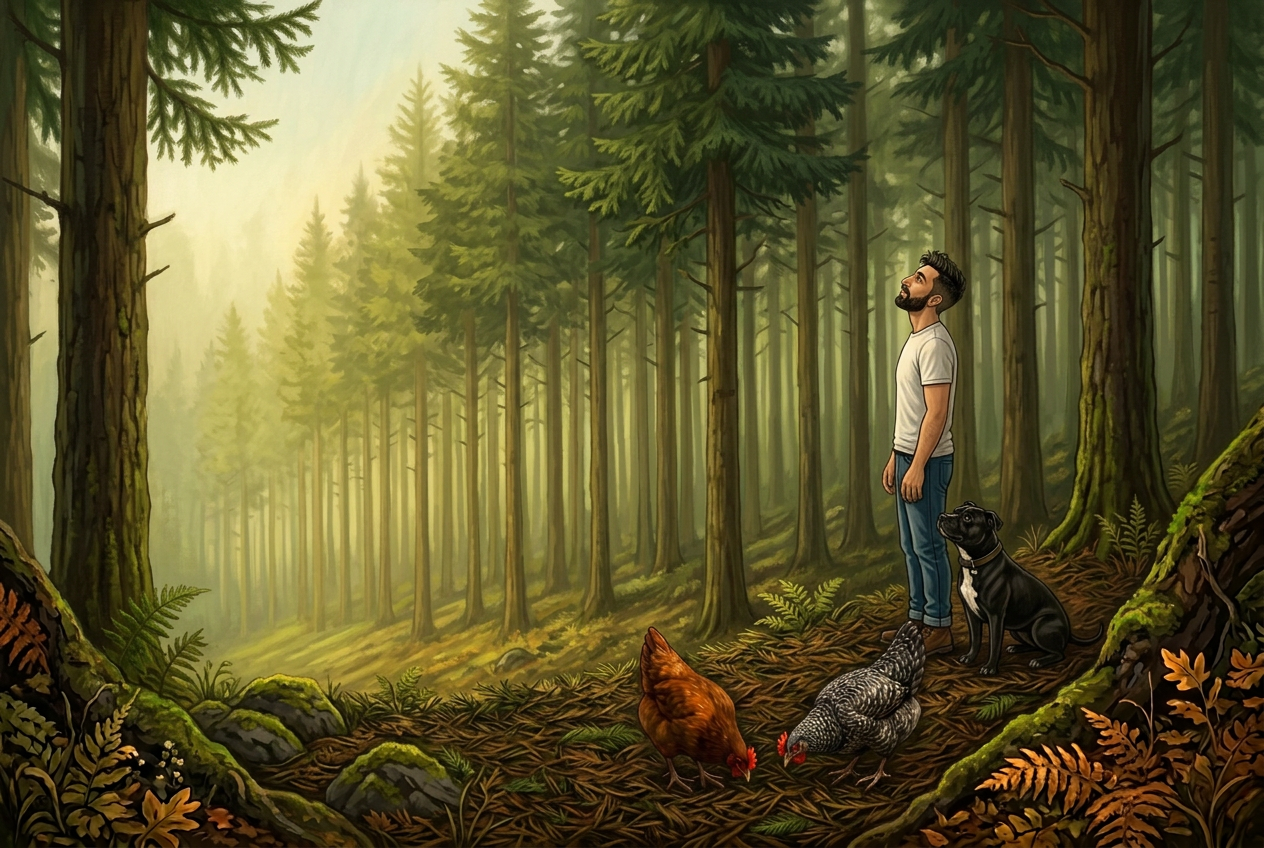
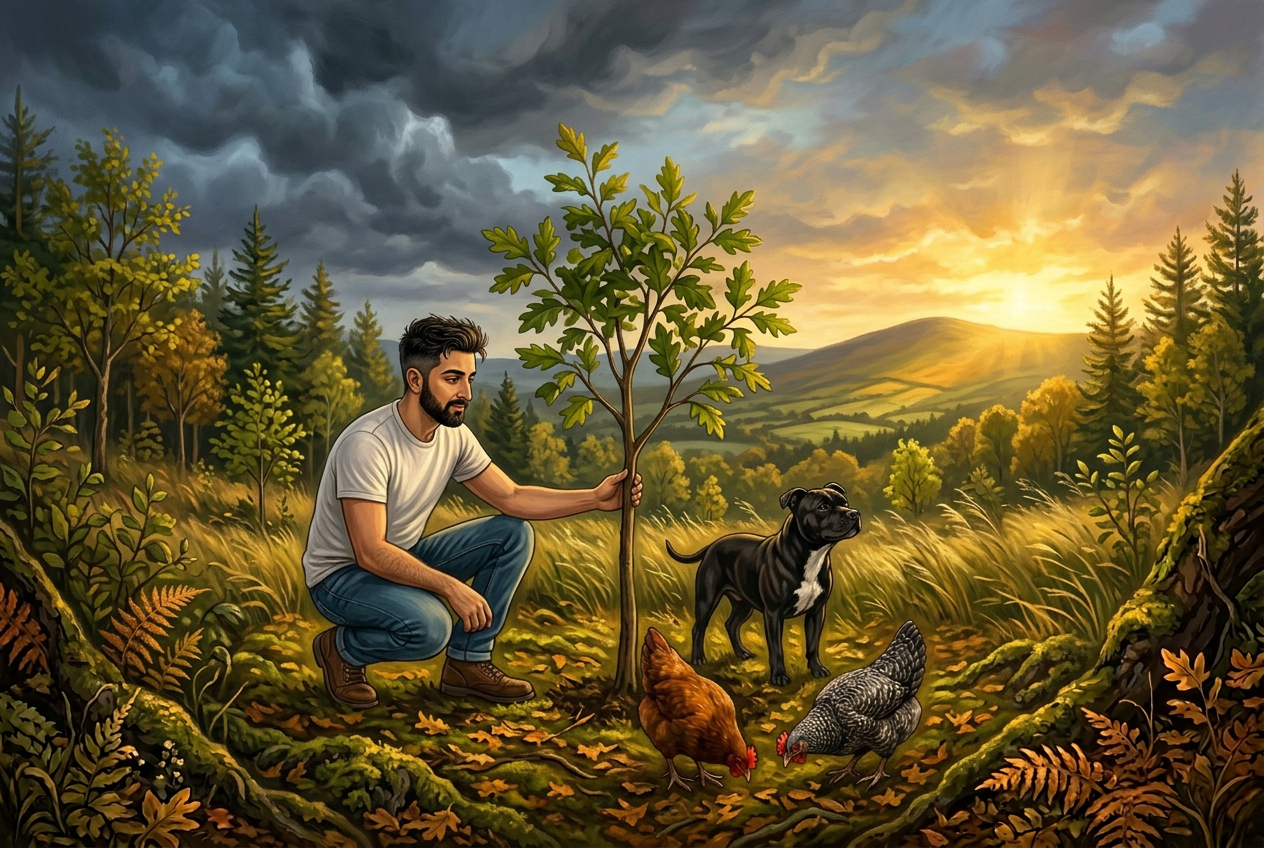
A commercial forest produces timber, income and rural employment, and stores carbon while it does it. A native woodland carries biodiversity, protects water and holds a place in the landscape that nothing else can replace. A mixed forest does a little of both, more slowly.
Urban forests cool streets, clean air and give people somewhere green to walk. Amenity trees along a lane or in a churchyard are memory as much as timber. Estate woodlands hold long continuity: the same ground under trees for centuries.
Asking which forest is the good one is like asking which room in a house is the useful one.
Why the argument goes wrong
Most disagreements about forestry come from judging one kind of forest by another one's purpose. A spruce crop measured as native habitat looks poor. An oak wood measured as timber production looks slow. Both readings are unfair and both miss the point.
The honest question is whether the right forest is in the right place, and whether the balance across the whole landscape is sound.
A working balance
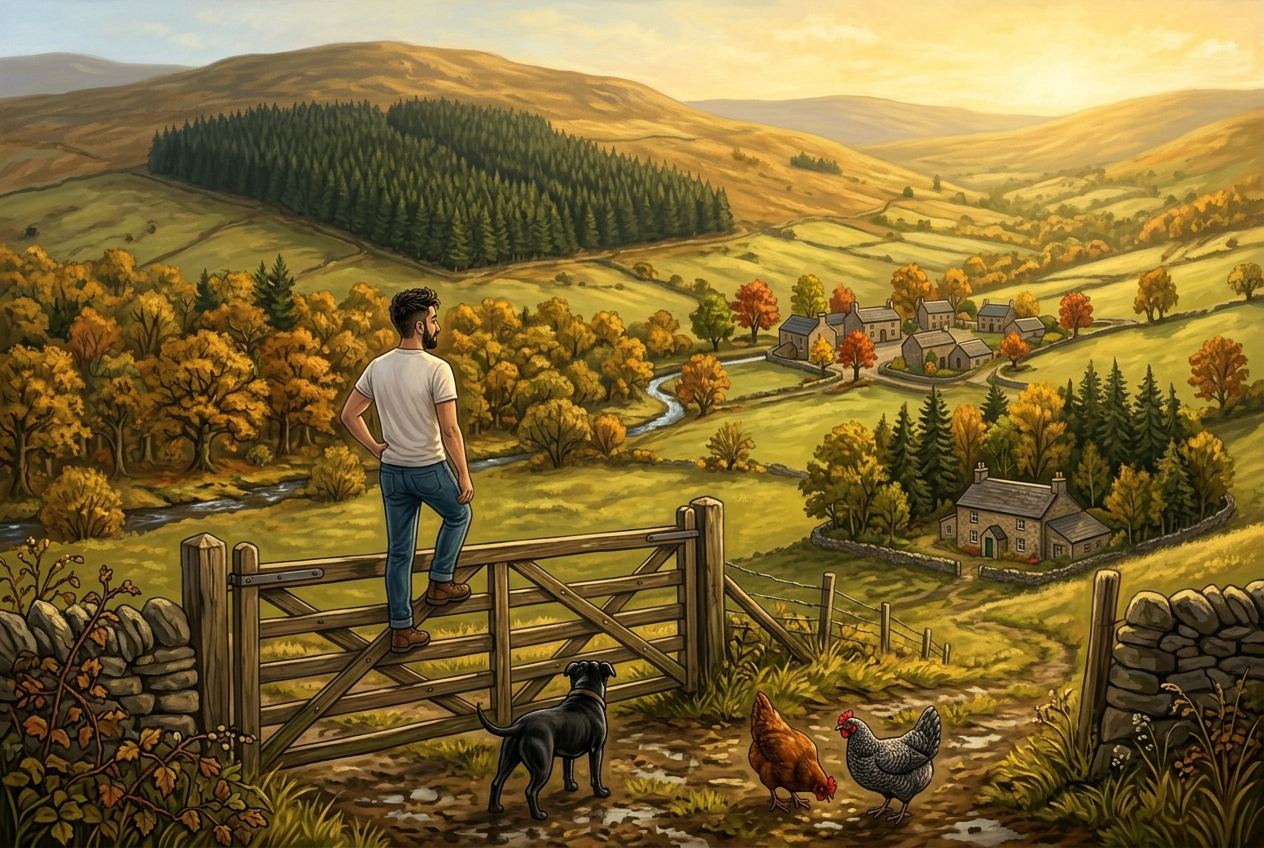
A good landscape has productive blocks on productive ground, native woodland along rivers and in the corners that were never going to grow a crop, trees in and around the towns, and hedgerows joining it all together.
None of that happens by accident. It comes from planning at a scale bigger than any single field, and from people willing to think about the whole valley rather than their own boundary.
No one forest can do it all. Together they very nearly can.