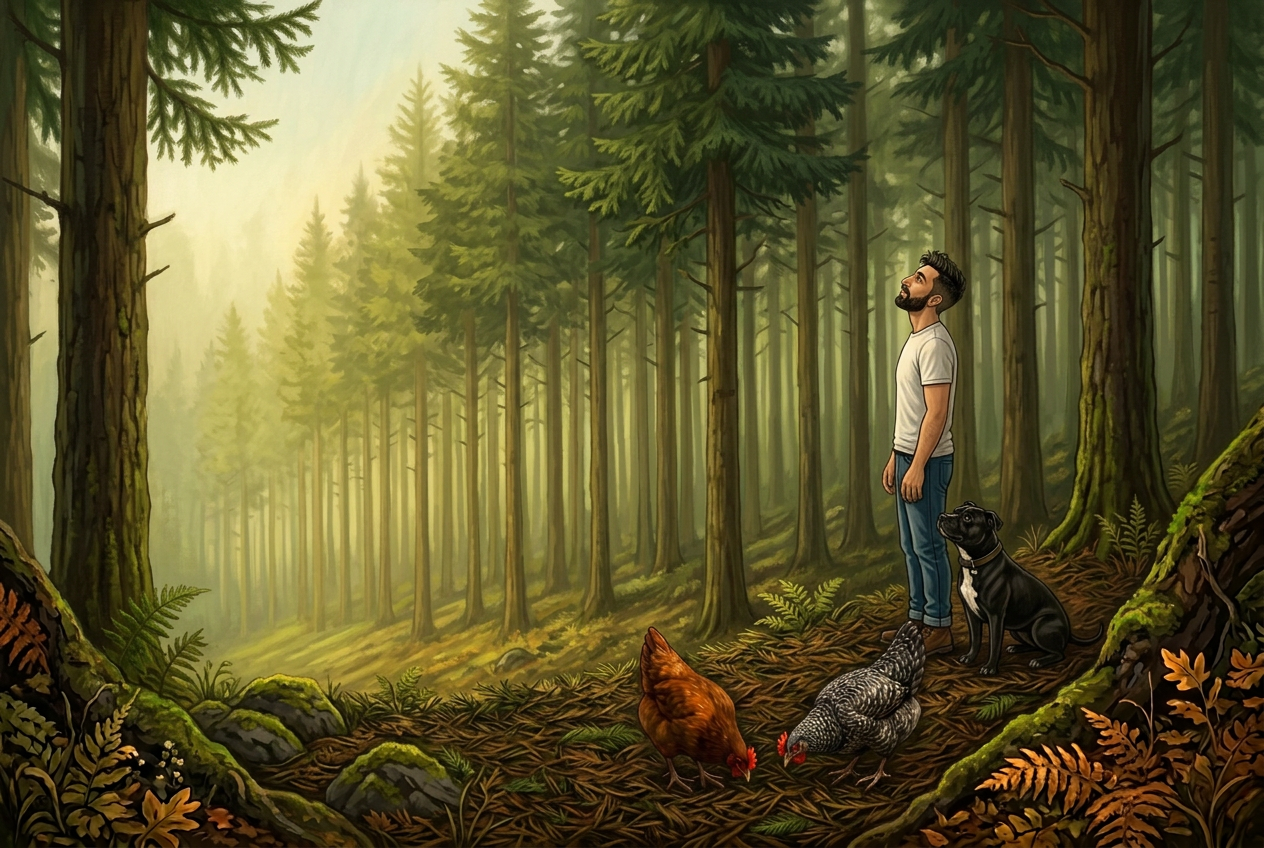
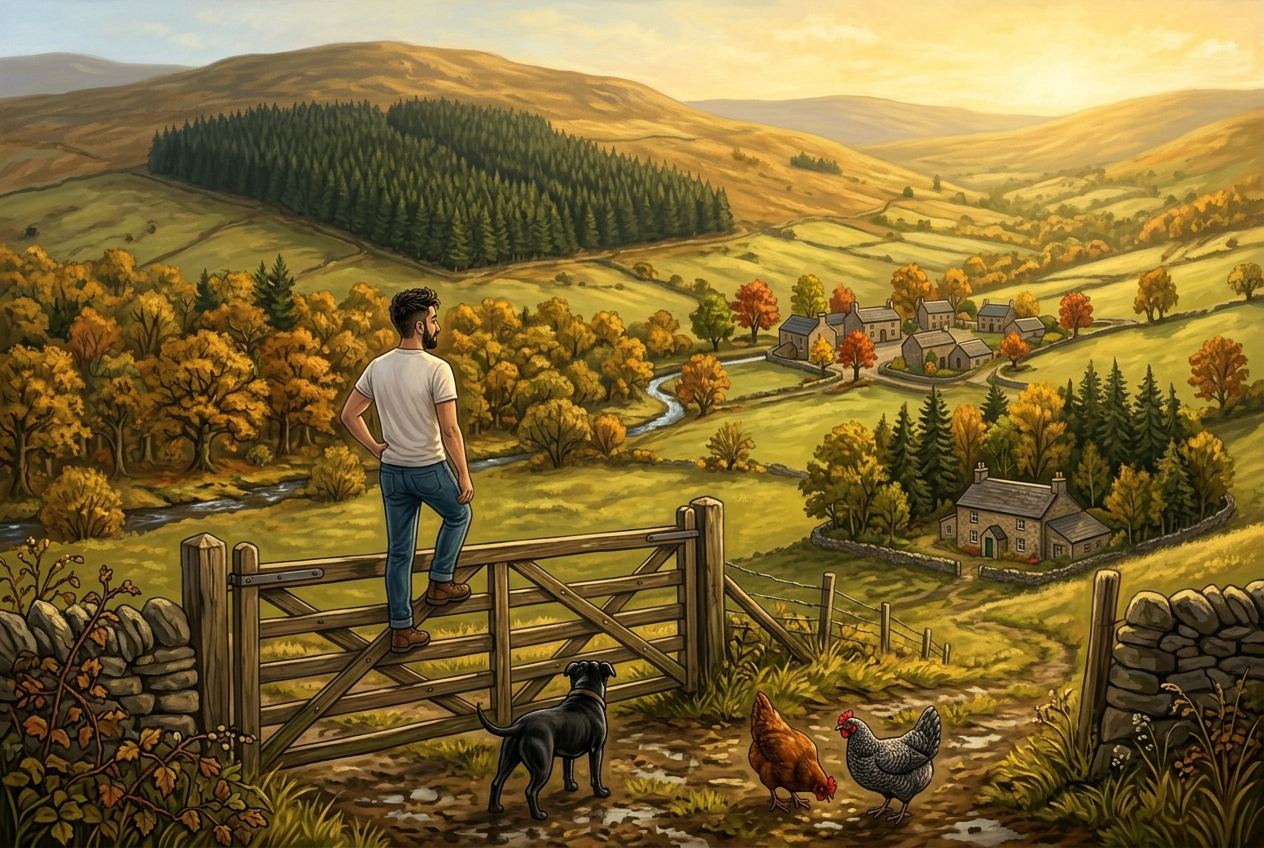
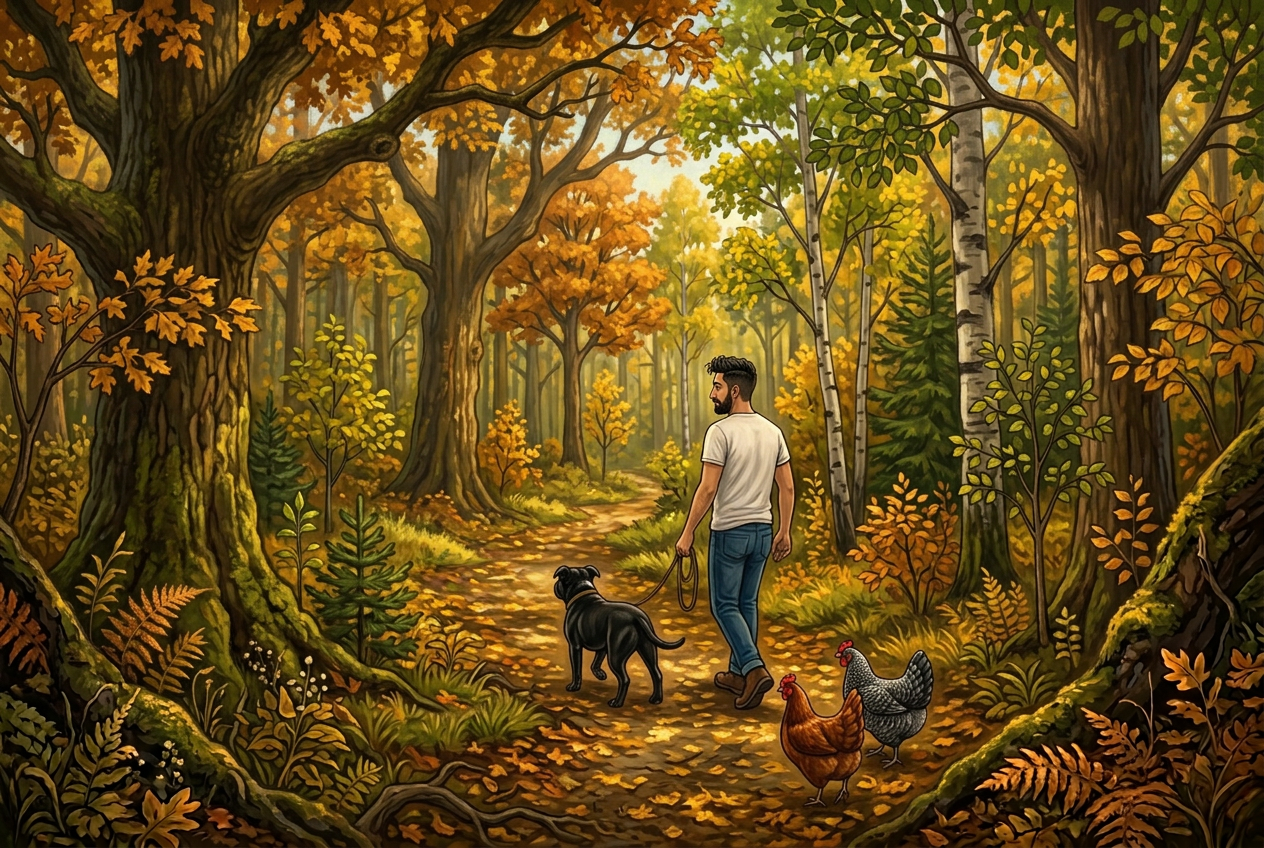
Climate Adaptive Forests
Forests for the Future, Episode 2. The forests we plant today may still be standing in eighty to a hundred and fifty years. How do foresters plan for a future they cannot yet see?
The long horizon
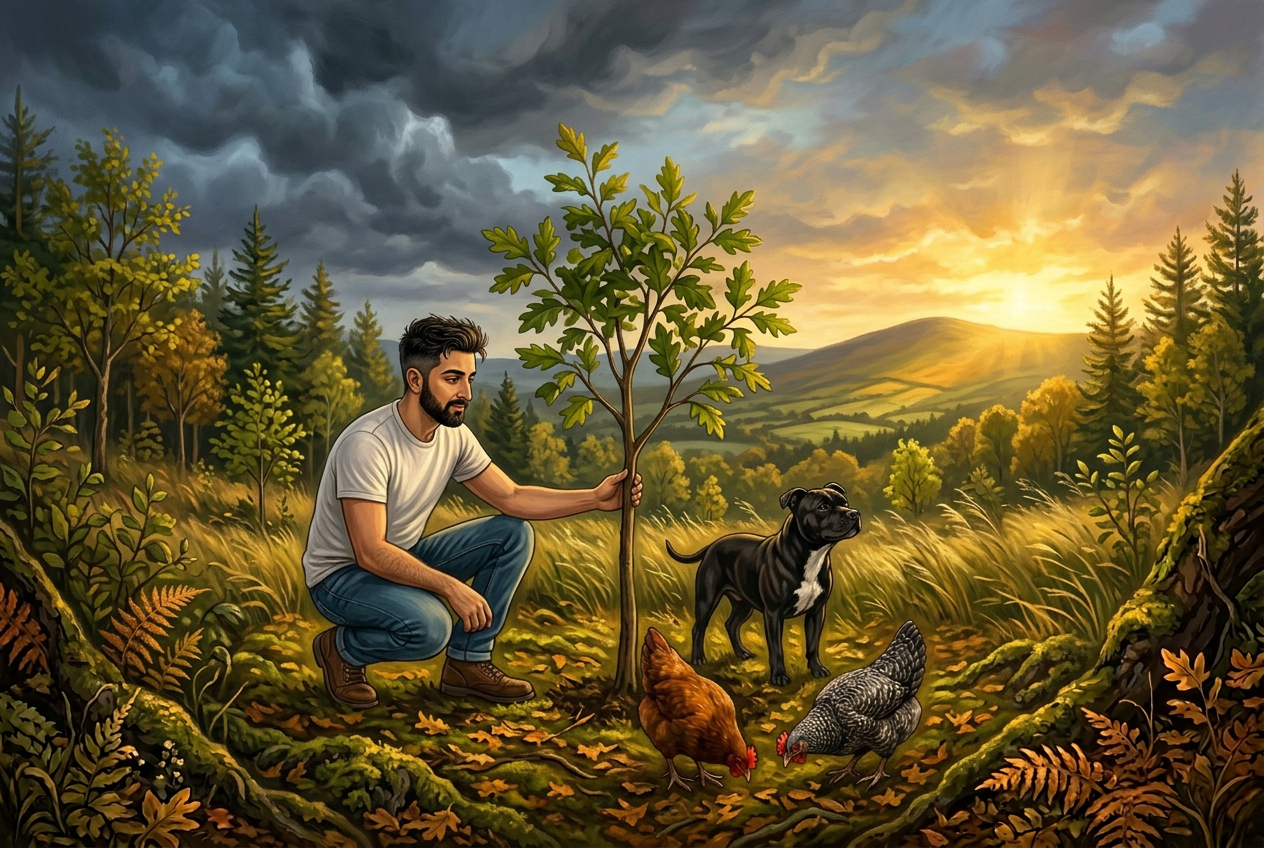
Most land decisions are settled within a season. Forestry is not. A spruce crop takes thirty-five years. An oak takes a hundred and fifty. The seedling going into the ground this March will spend its whole life in a climate that is still changing around it.
That is the awkward part of the work. The forester has to choose now, with what is known now, for conditions that will only be certain long after they have stopped walking the ground.
You cannot plant for the climate you have. You plant for the one the tree will have to live in.
What is actually changing
Warmer, wetter winters. Longer dry spells in summer. More storms, and storms arriving out of season when trees are still in full leaf. New pests and diseases moving north into ground that used to be too cold for them.
None of these will hit every site the same way. Exposed western hillsides face wind. Shallow eastern soils face drought. The same species can be the right choice in one valley and the wrong one over the hill.
Planning for uncertainty
Nobody can predict the century. What foresters can do is stop betting everything on one outcome. Plant more than one species. Keep a range of ages across the estate. Favour provenances that already cope with heat or wind. Build roads and drainage that will still work in heavier rain.
It is a quiet, unglamorous approach: spread the risk, keep options open, review as the evidence arrives. Adaptive management means the plan is expected to change. That is a feature, not a failure.
Nobody knows what the weather will be in ninety years. Plant as though several answers are possible.