Diversifying Our Landscapes
Forests for the Future, Episode 4. Why species diversity matters, why structural diversity matters, why age diversity matters, and how resilient forests are built over generations.
Three kinds of diversity
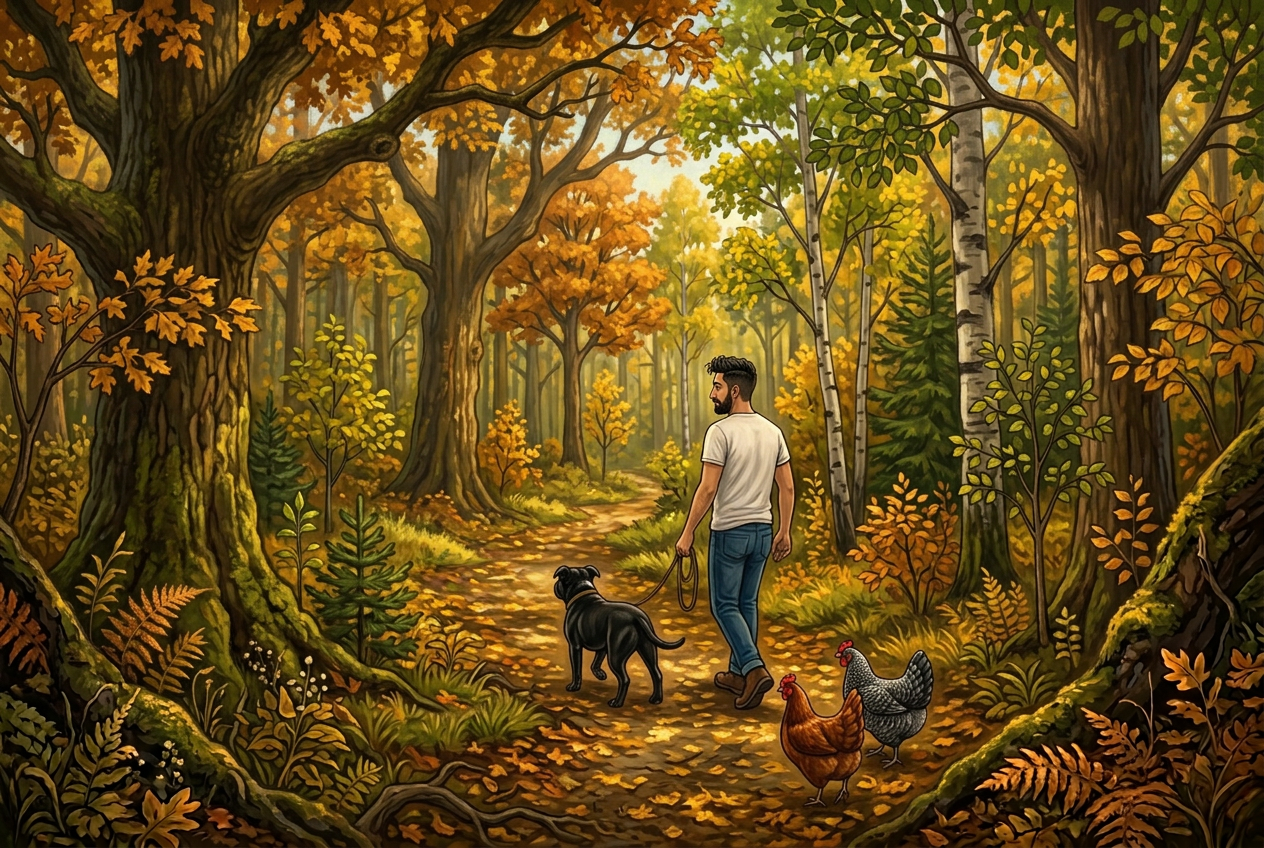
Species diversity means no single pest, disease or drought can take the whole wood. Ash dieback taught that lesson very plainly to anyone who had planted ash on its own.
Structural diversity means trees of different heights: a canopy, an understorey, shrubs, ground flora. That is what gives a wood its niches, and what makes it feel like a wood rather than a plantation.
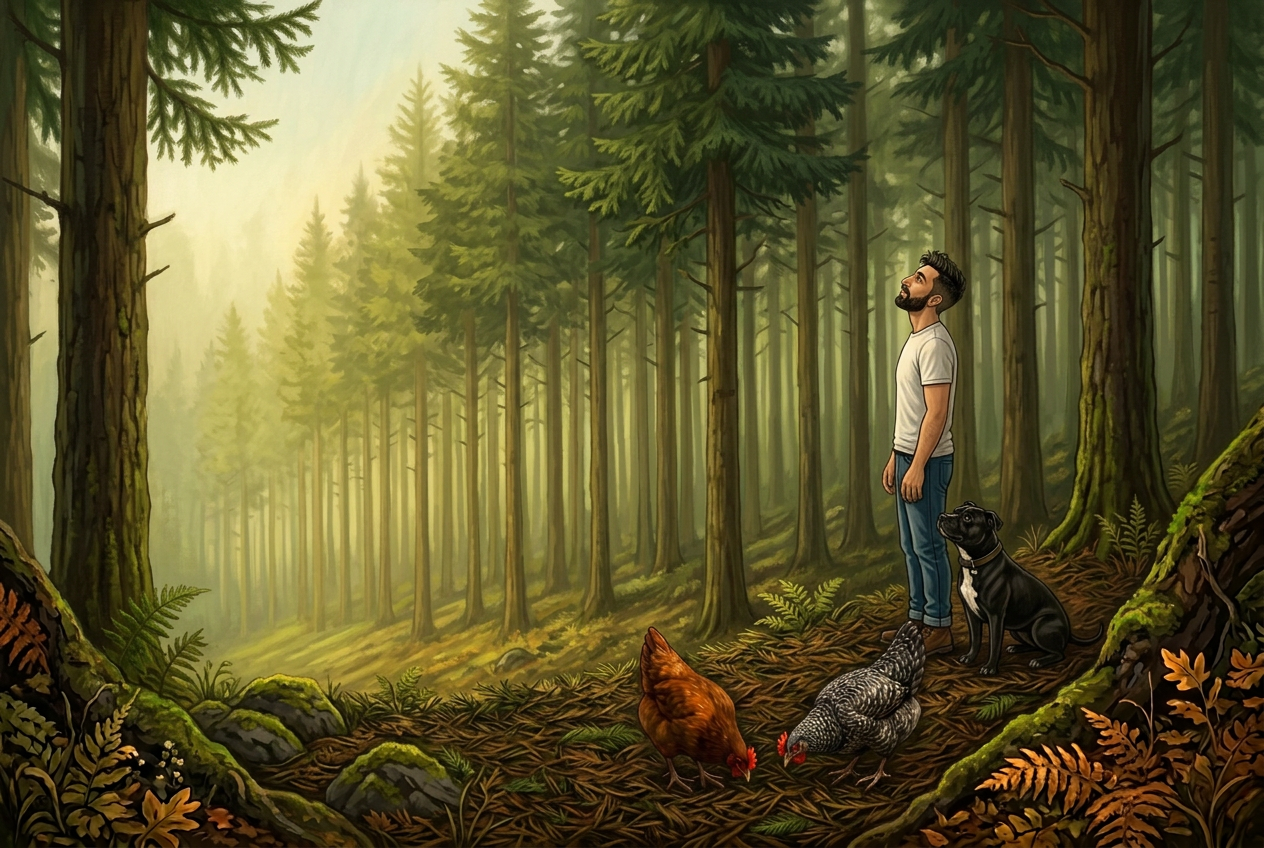
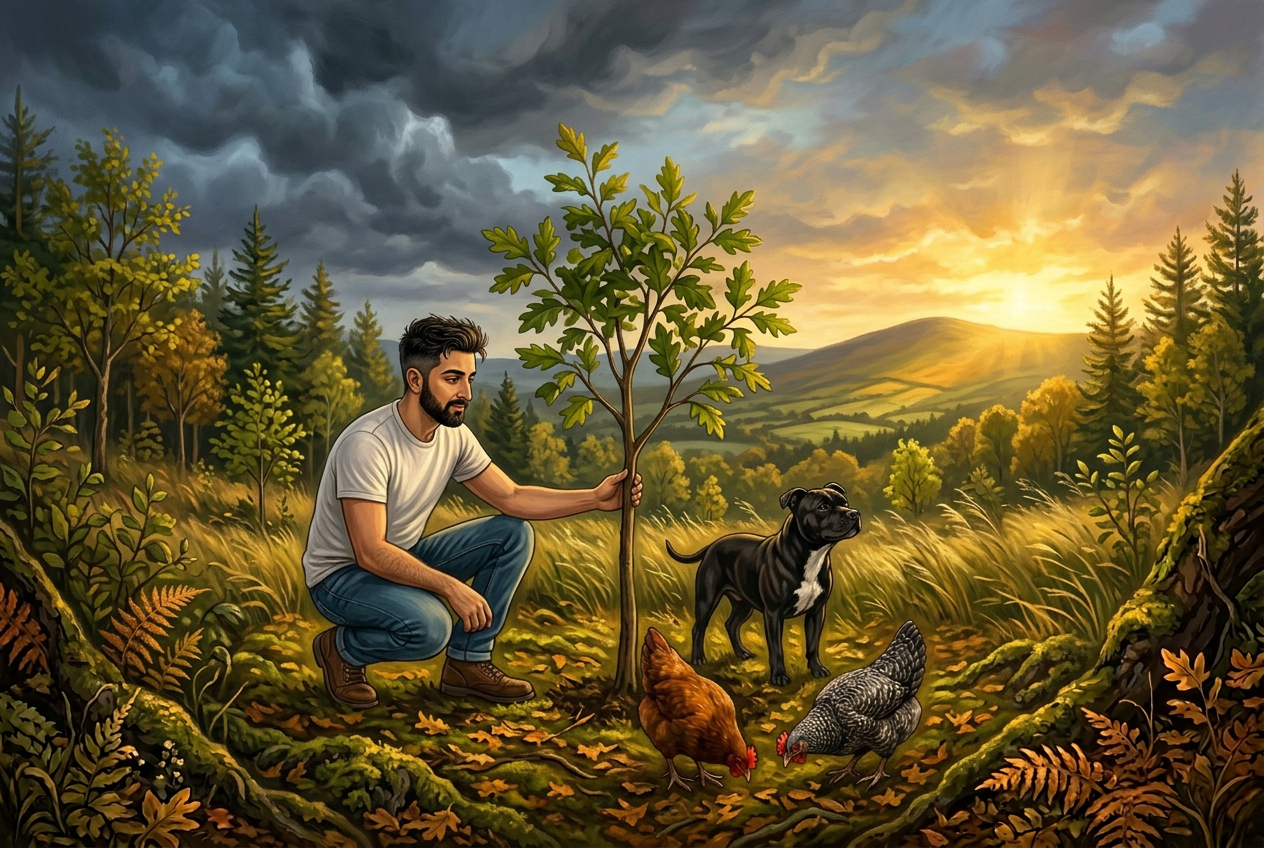
Age diversity means the forest is never all mature at once, and never all clear at once. There is always something coming on behind.
A forest with one species, one age and one storey has one way to fail.
How it is built
Slowly. Diversity is rarely created in one operation. It comes from a thinning here, a small gap there, a different species planted along a wet flush, a strip left alone for natural regeneration to fill.
Continuous cover forestry works this way by design, taking a few stems at a time and letting light down in pieces so the next generation grows up under the old one.
The long view
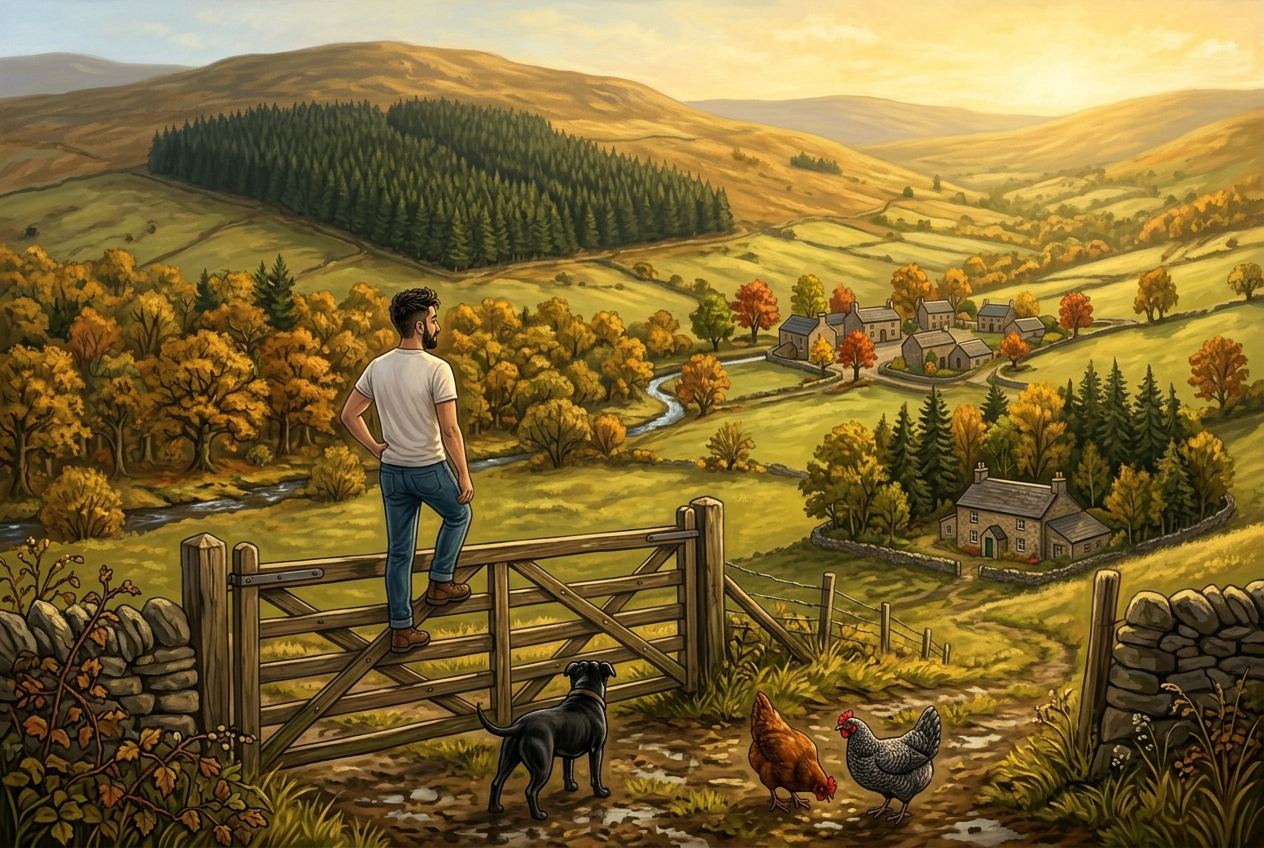
A diverse forest is more work to manage and harder to plan on a spreadsheet. It is also far more likely to still be a forest in a hundred years, whatever arrives in the meantime.
Resilience is not something bought at planting. It is accumulated, decision by decision, across more than one working life.
Mixed woods are untidy on paper. They stand up better in weather.