The Trees We Live Among
Not every important tree stands in a forest. Some stand in a car park, and have been there longer than the town.
What a single tree does
One mature street tree shades a pavement, slows a rainstorm on its way to a drain, holds insects, feeds birds, and lowers the temperature of everything around it in a heatwave. It also makes people slow down, though nobody can quite say why.
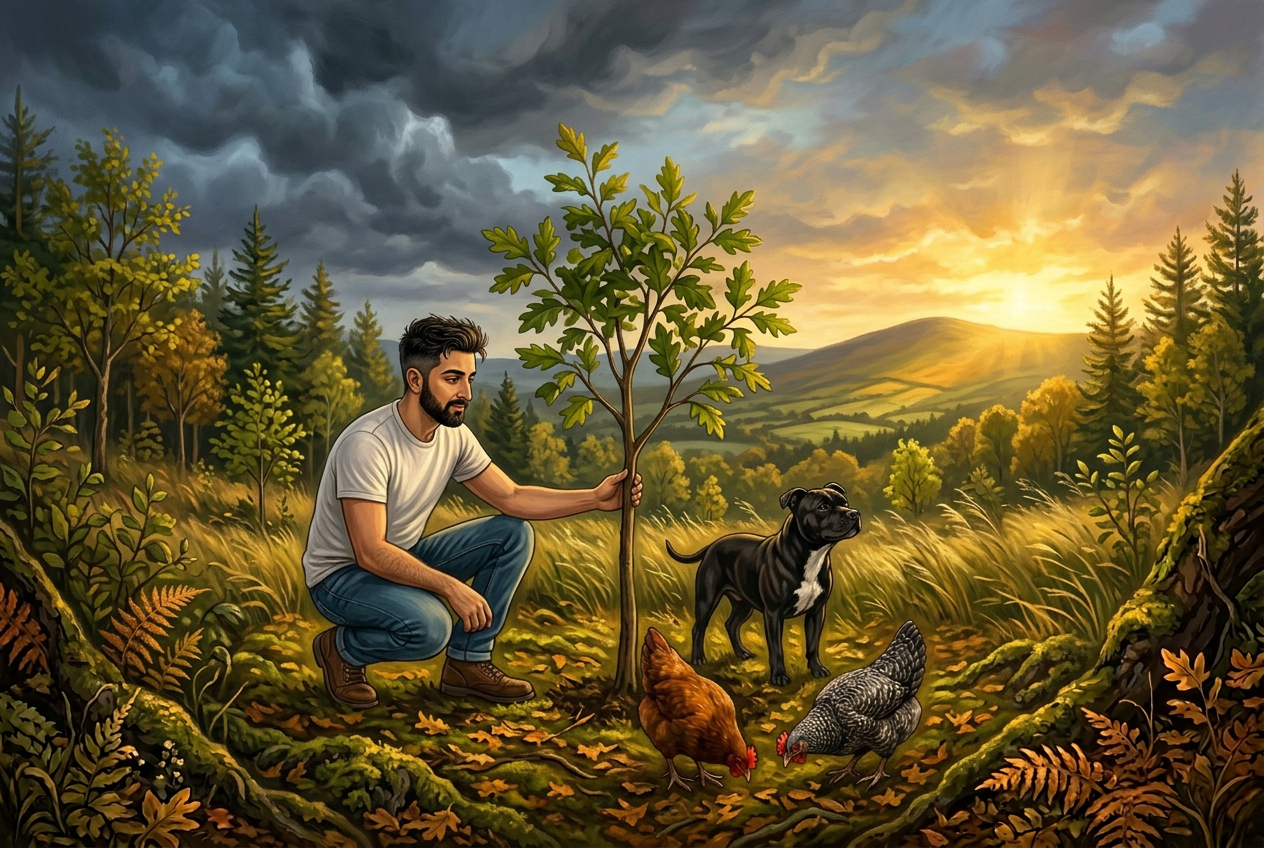
The best time to plant a street tree was thirty years ago. The second best is now.
Why they fail
Urban trees rarely die of old age. They die of compacted soil, of trenching through roots, of being planted in a hole two sizes too small, and of nobody watering them in their first three summers.
Most of the cost of a successful street tree is spent in the years after planting, which is exactly where budgets tend to stop.
Keeping the old ones
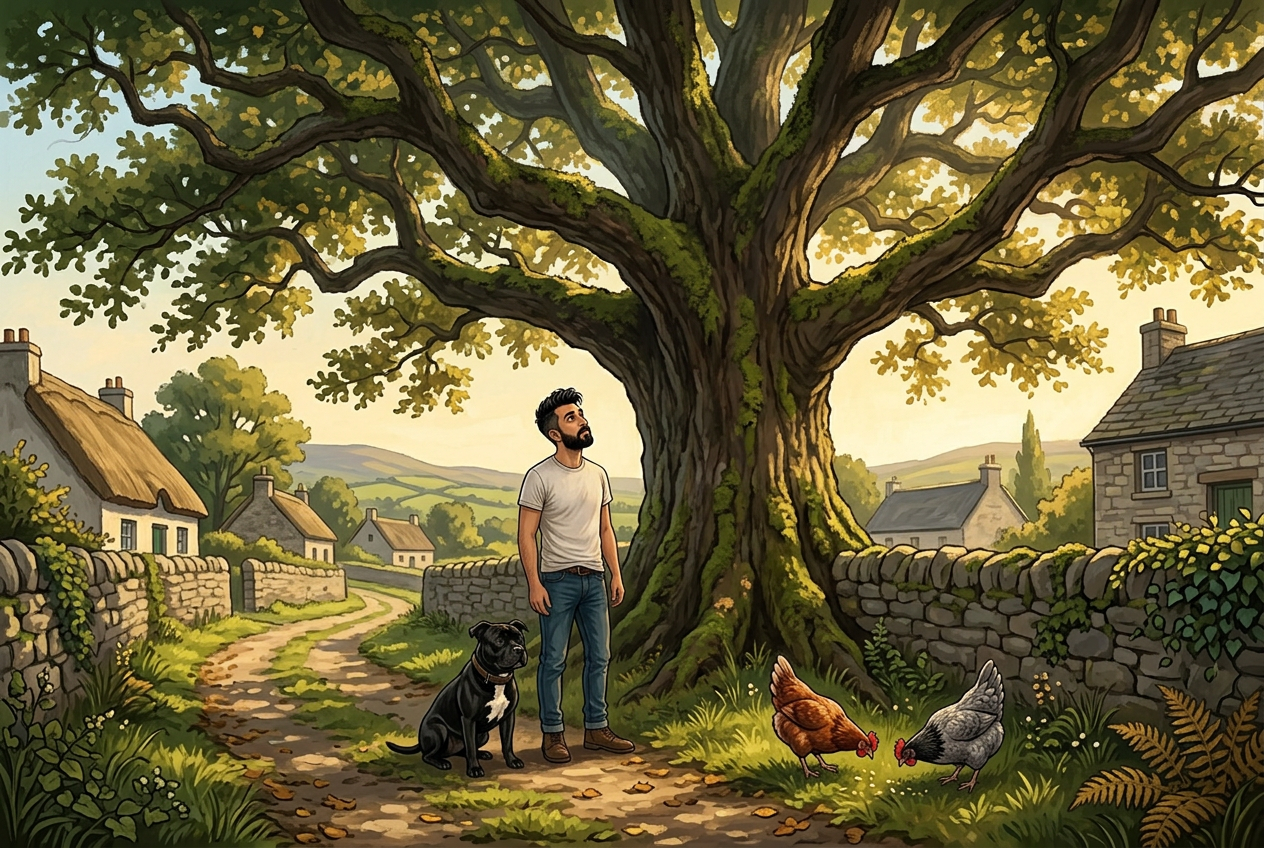
A veteran tree in a village cannot be replaced by planting three saplings. It took two hundred years to become what it is. Retaining old trees, and giving their roots room, is nearly always better value than starting again.
A town with old trees in it feels looked after. That is not sentimentality; it is maintenance.