The Hundred-Year Decision
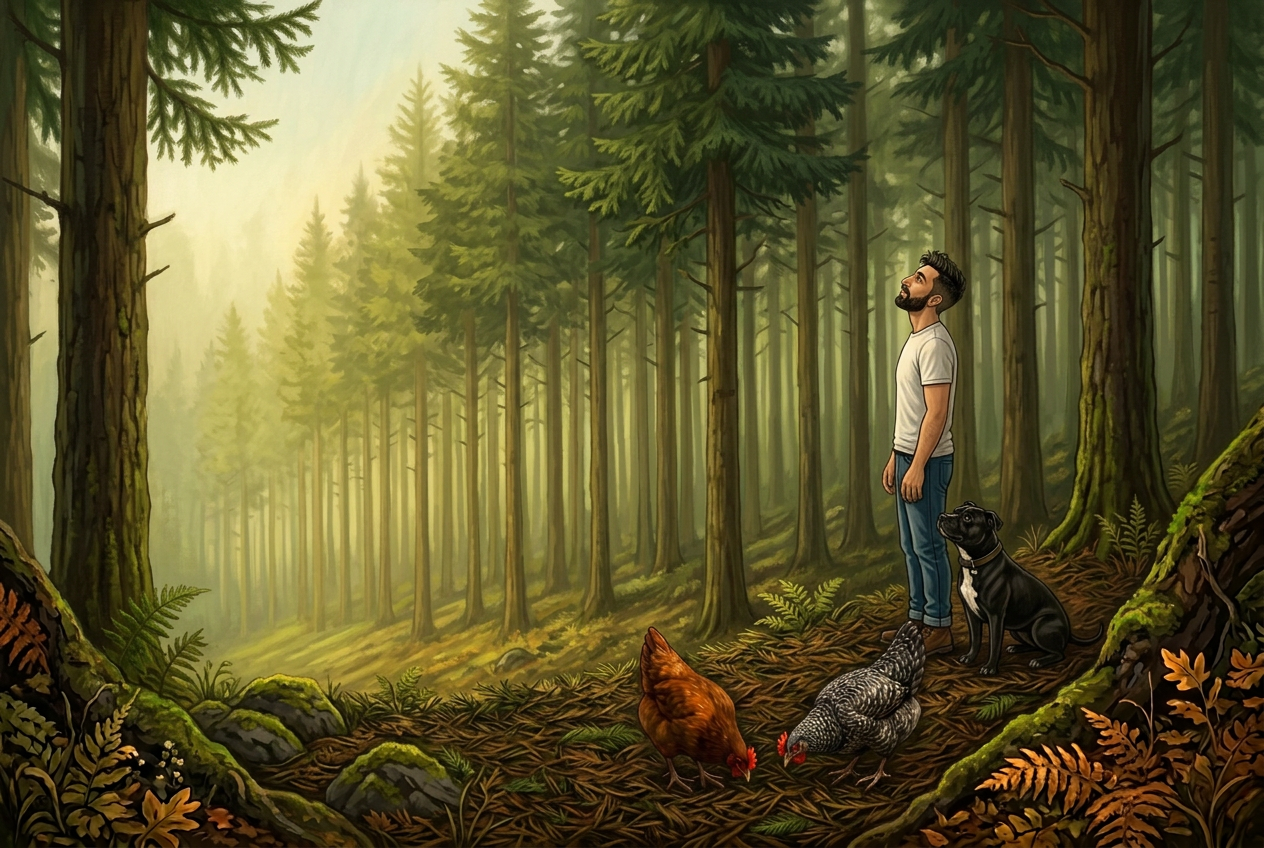
Most people see a forest. A forester sees decisions that will shape the landscape for the next hundred years.
A slow kind of work
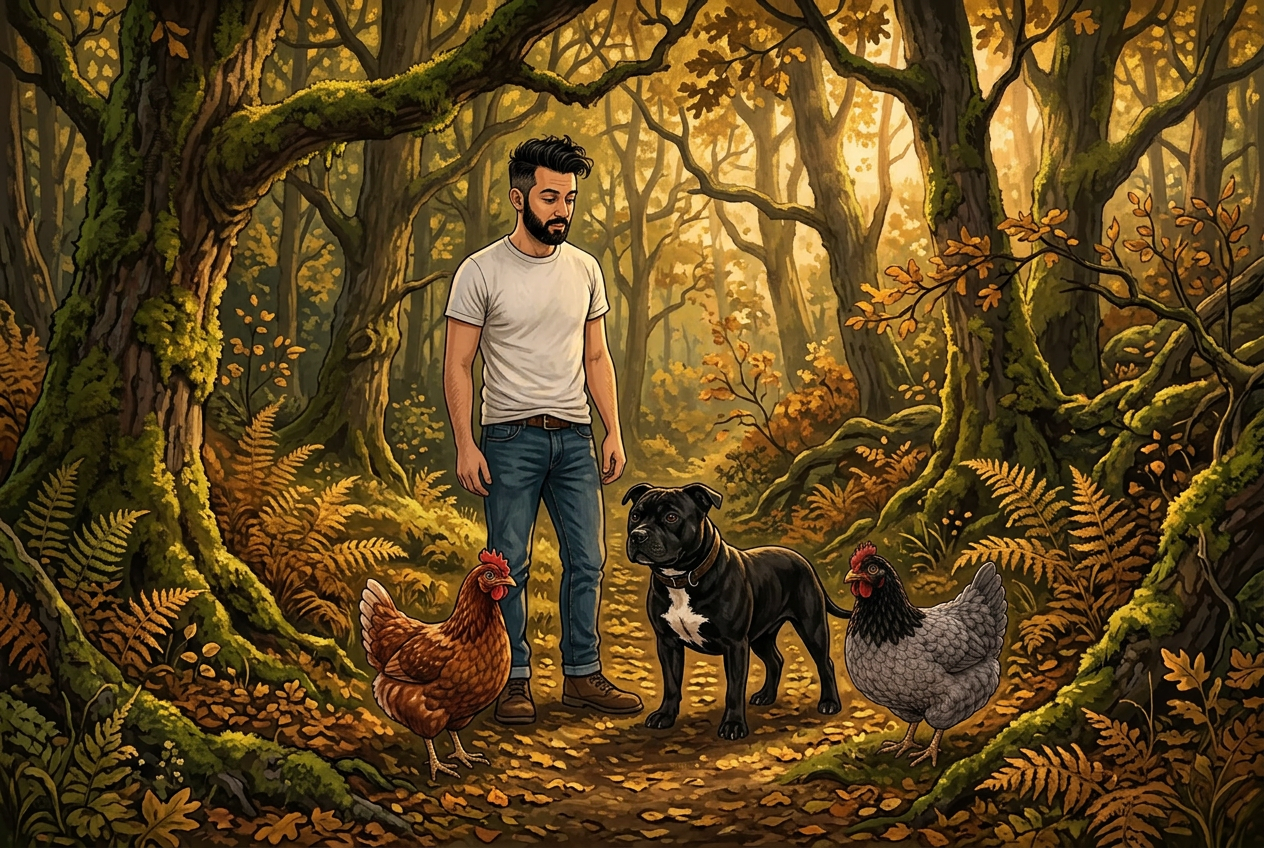
A forest looks like something that simply happened. Walk into an old woodland and it seems to have arranged itself: the tall trees, the gaps, the light coming down in pieces. It rarely did. Somebody chose these species. Somebody decided which stems to leave and which to take, and did it in weather nobody would choose to be out in.
Forestry is the only kind of land work where a person plants something they will never see finished. A spruce crop might be ready in a working lifetime. An oak will outlast everyone who touched it. That changes how decisions are made. You are not managing this year. You are managing a century, in instalments.
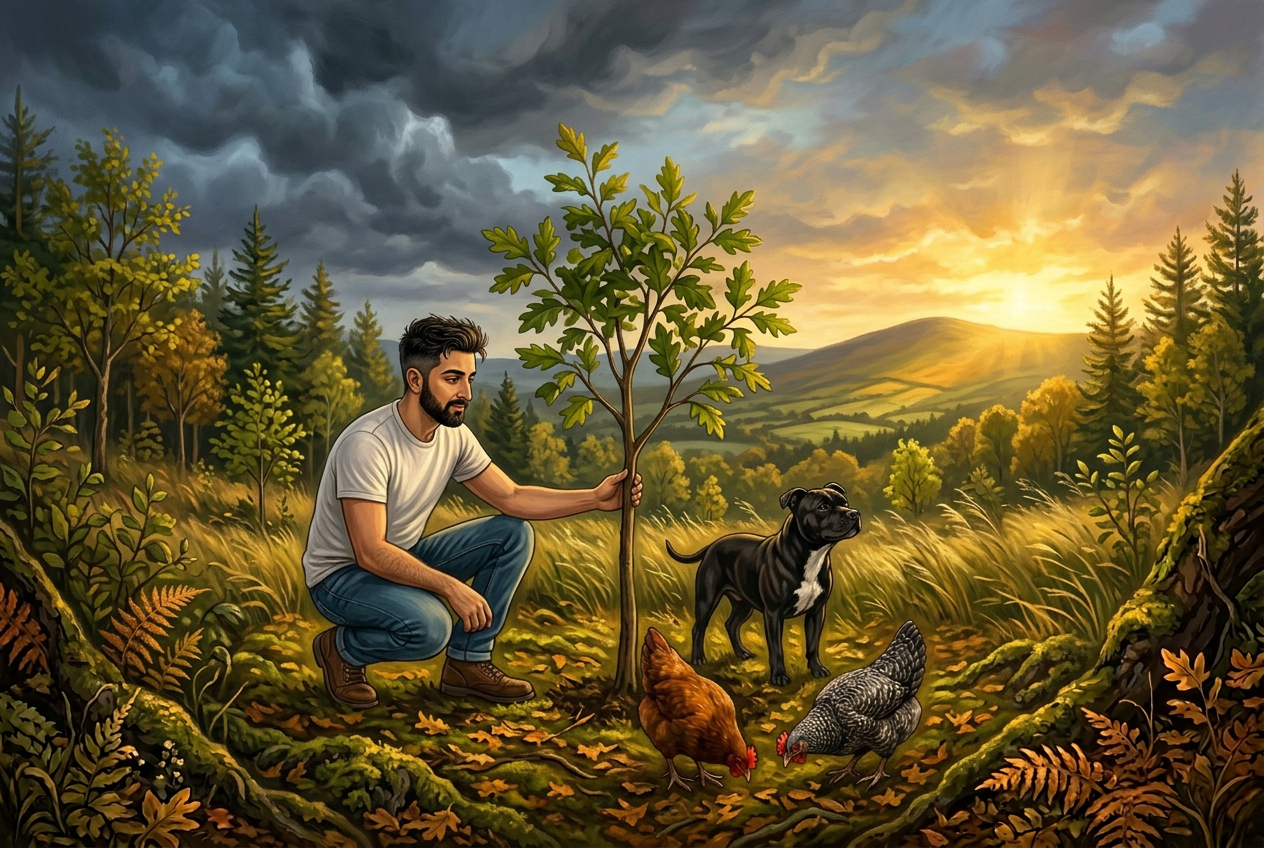
The acorn planted today may become the oak that shelters generations to come.
What a forester is actually looking at
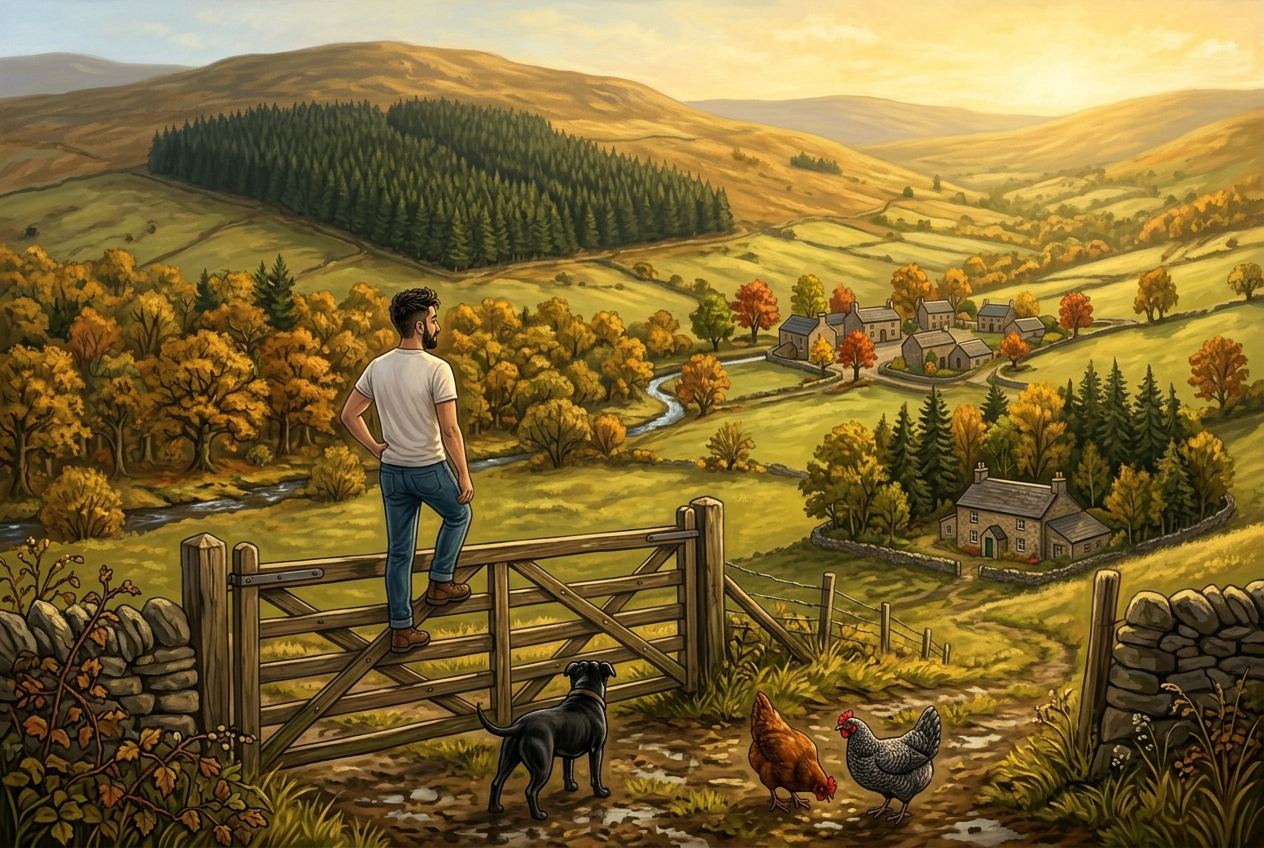
Standing at the edge of a young plantation, a forester is reading half a dozen things at once. Soil, and what it will carry. Drainage, and where the water goes in February. Exposure, because wind decides more than anything else in Ireland. Access, because a tree that cannot be reached cannot be tended or harvested.
Then the harder questions. What should this place be in thirty years? Is there a stream to keep clear, a badger sett to work around, an old hedgerow worth keeping as a corridor? Every answer closes some doors and opens others.
Why it matters to the rest of us
Forests are where a great deal of our quiet life happens. The timber in a roof, the shade over a lane, the owl heard at dusk, the water that ran clean off a hillside because roots held the soil in place. None of that arrives by itself.
Understanding the people who care for woodland is the beginning of caring for it yourself. That is what this journal is for.
Nobody plants an oak for themselves. That is rather the point of it.