Letting the Light Down
Continuous cover forestry asks a simple question: what if the woodland never had to disappear?
The older way of thinking
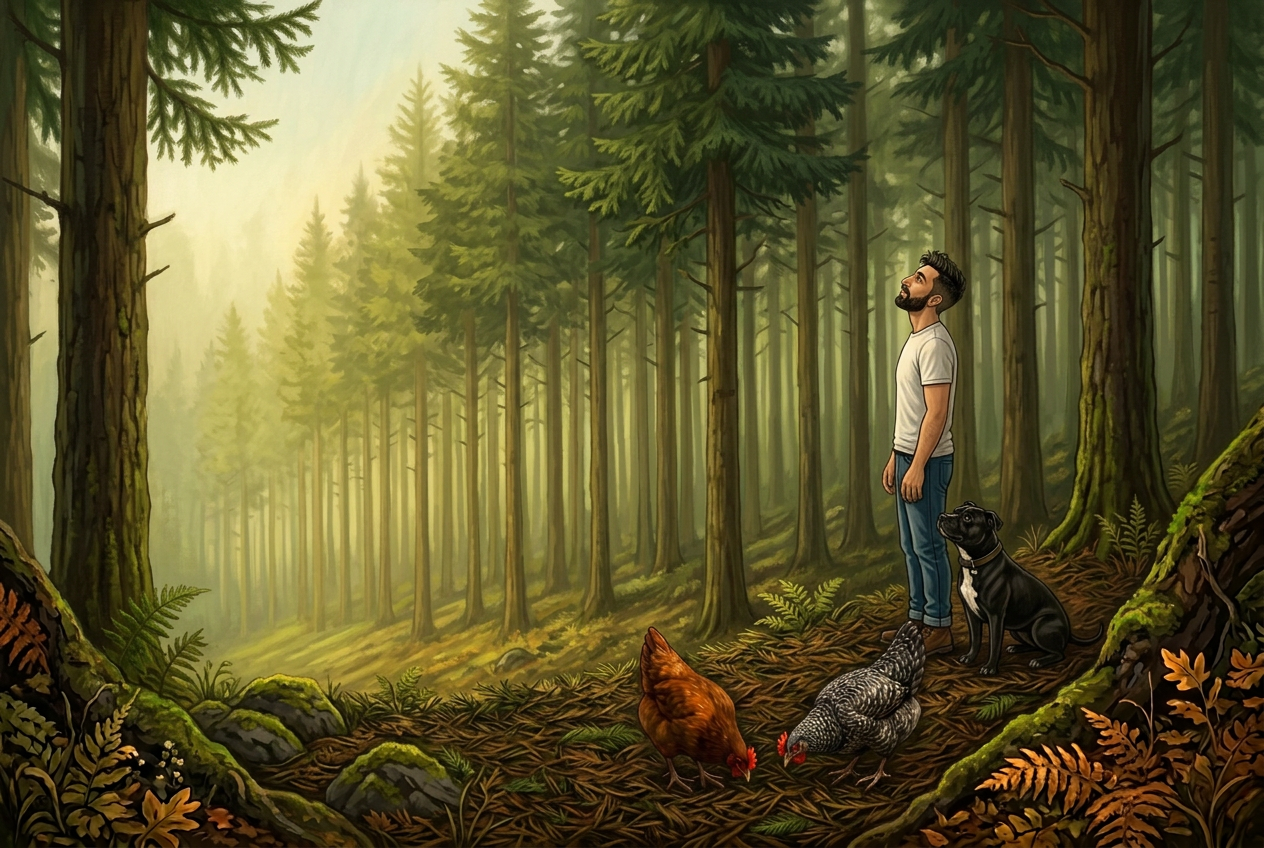
For a long time the standard model was straightforward: plant a crop, grow it evenly, take it all at once, and start again. It is efficient, it is easy to plan, and it produces a great deal of useful timber. It also means that every few decades the woodland stops being a woodland for a while.
You are not clearing a wood. You are making a hole in the sky and seeing who comes.
The alternative
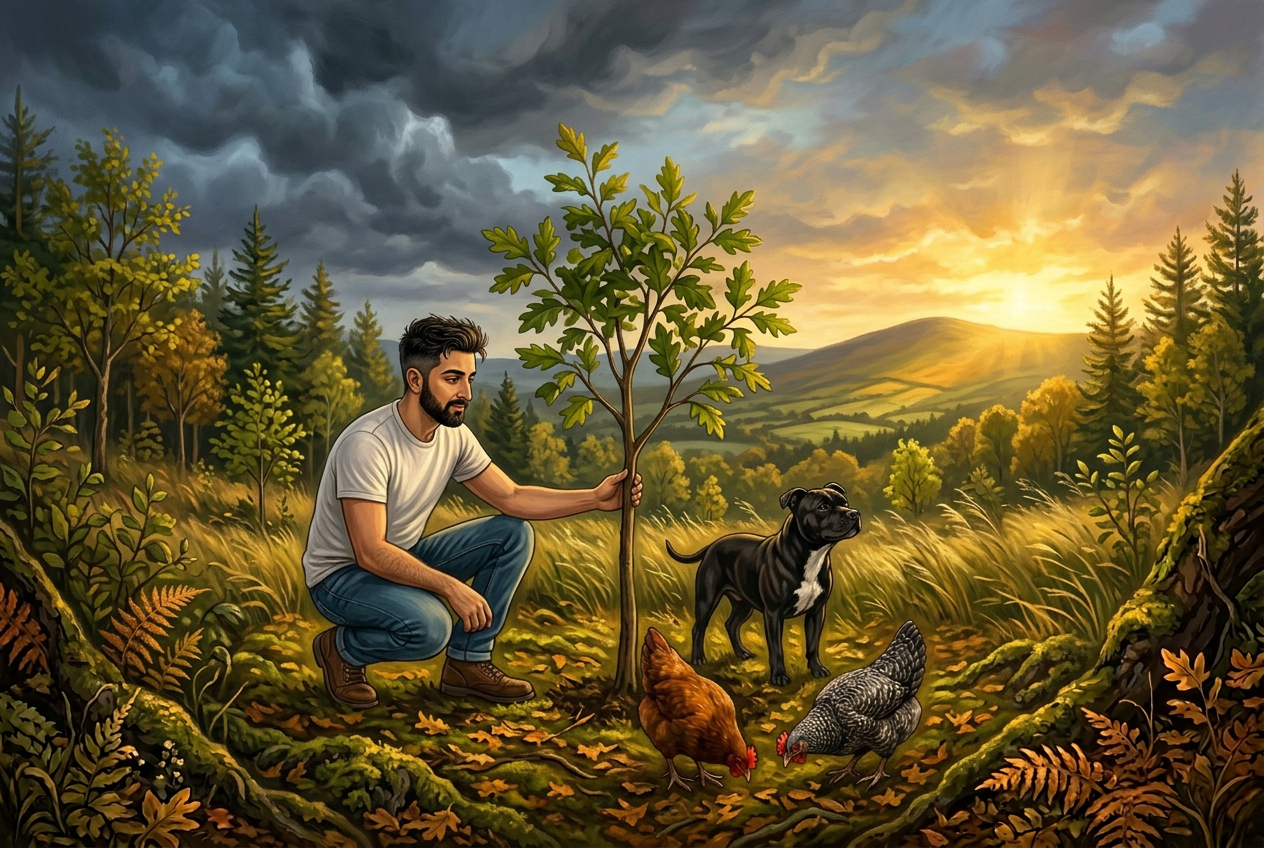
Continuous cover forestry keeps trees on the ground permanently. Timber is taken a few stems at a time, in small groups, opening gaps that let light reach the floor. Seedlings come up in those gaps on their own, from the trees already standing.
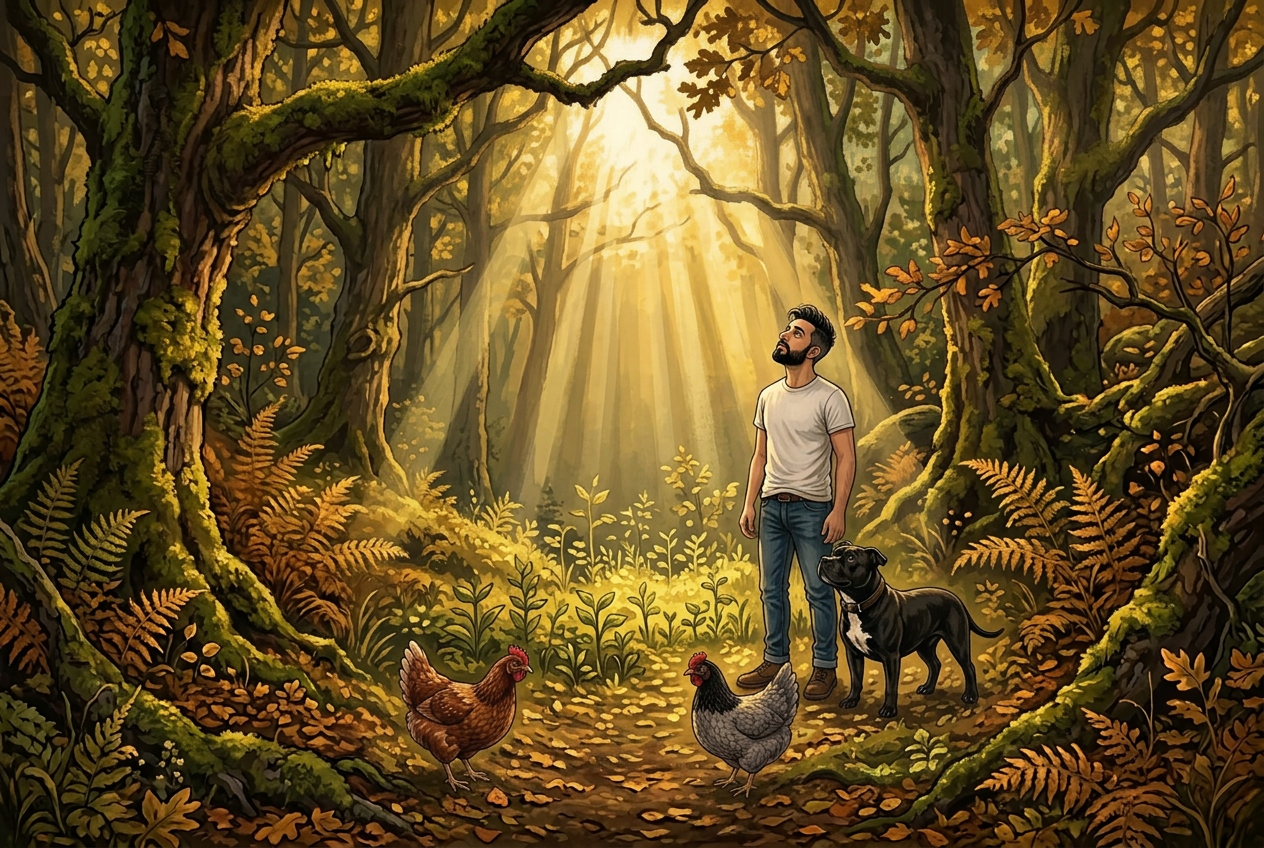
The wood becomes uneven: old trees, middle-aged trees, and young ones underneath, all at once. Harvest becomes something that happens continually and quietly instead of once and completely.
What it asks in return
More skill, and more time. Trees must be chosen individually rather than by the block. Extraction routes must be kept permanently and used carefully, because damage to the remaining stems is damage to the crop.
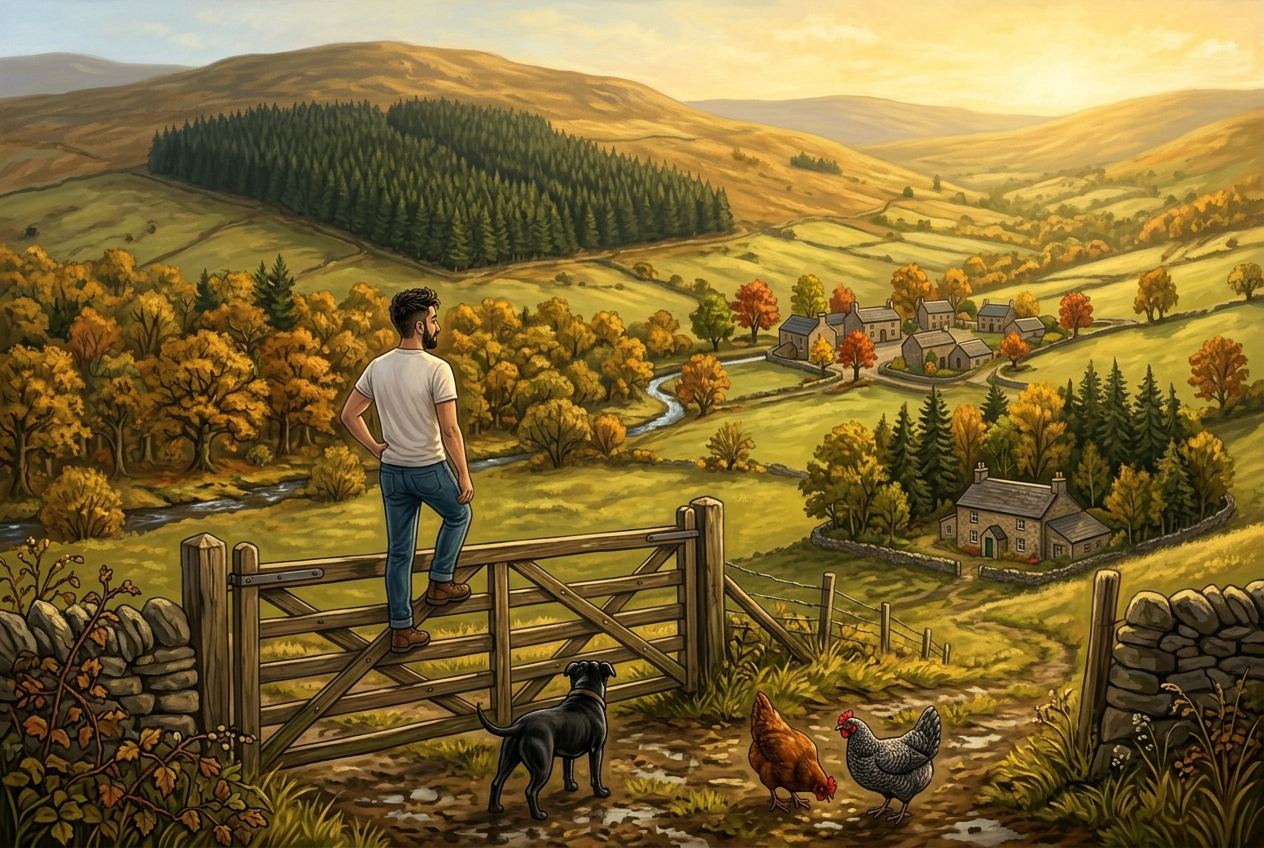
It suits some sites far better than others. On an exposed hillside, opening the canopy can simply invite the wind in. Like most things in forestry, the right answer depends entirely on the place.
The wood keeps standing. That is the whole idea.